Surat Textile Industry 2026: Digital Transformation Amid Infrastructure Challenges
Surat Textile Industry 2026: Digital Transformation Amid Infrastructure Challenges
Surat continues to hold its position as India's synthetic textile capital in 2026, producing approximately 25–30 million metres of fabric daily and powering 40% of the nation's synthetic textile production. As the industry evolves, manufacturers are balancing digital opportunities with infrastructure realities.
The Current State of Surat's Textile Ecosystem
Production Capacity
Surat's mills and power looms operate at massive scale, churning out fabric that caters to both domestic demand and international markets. The city's specialization in synthetic textiles, embroidery, sequins, and lacework has made it indispensable to India's wedding and festival fashion segments.
Digital Transformation
A significant shift in 2026 is the widespread adoption of digital platforms by Surat's textile merchants. Manufacturers are extending their reach beyond physical wholesale markets through:
- E-commerce integration for B2B buyers
- Digital catalogues and WhatsApp-based ordering systems
- Online payment and logistics coordination
- Virtual showrooms for international buyers
This digitalization has been particularly crucial for specialty manufacturers like lace producers, who can now serve boutique owners and designers across India without requiring physical market visits.
Infrastructure Challenges Facing the Industry
Despite its strengths, Surat's textile sector faces persistent infrastructure bottlenecks in 2026:
Port Congestion
Export-oriented manufacturers experience delays due to port congestion, adding hidden costs to international shipments. For textile businesses targeting global markets, these delays impact delivery timelines and competitiveness.
Power Fluctuations
Inconsistent power supply continues to disrupt production schedules, particularly affecting precision manufacturing processes like lace-making that require stable machine operations.
Periodic Labor Unrest
Labor strikes occasionally disrupt production in textile hubs like Surat and Tiruppur, creating supply chain uncertainties for buyers who depend on consistent delivery schedules.
Value-Added Product Opportunities
The 2026 market landscape favors manufacturers who can offer differentiated products beyond basic fabrics. Key growth areas include:
Premium Embellishments
Fabrics enhanced with embroidery, sequins, and lacework command premium pricing, especially for wedding and festival collections. Manufacturers focusing on these value-added products are better positioned to weather pricing pressures.
Design Uniqueness
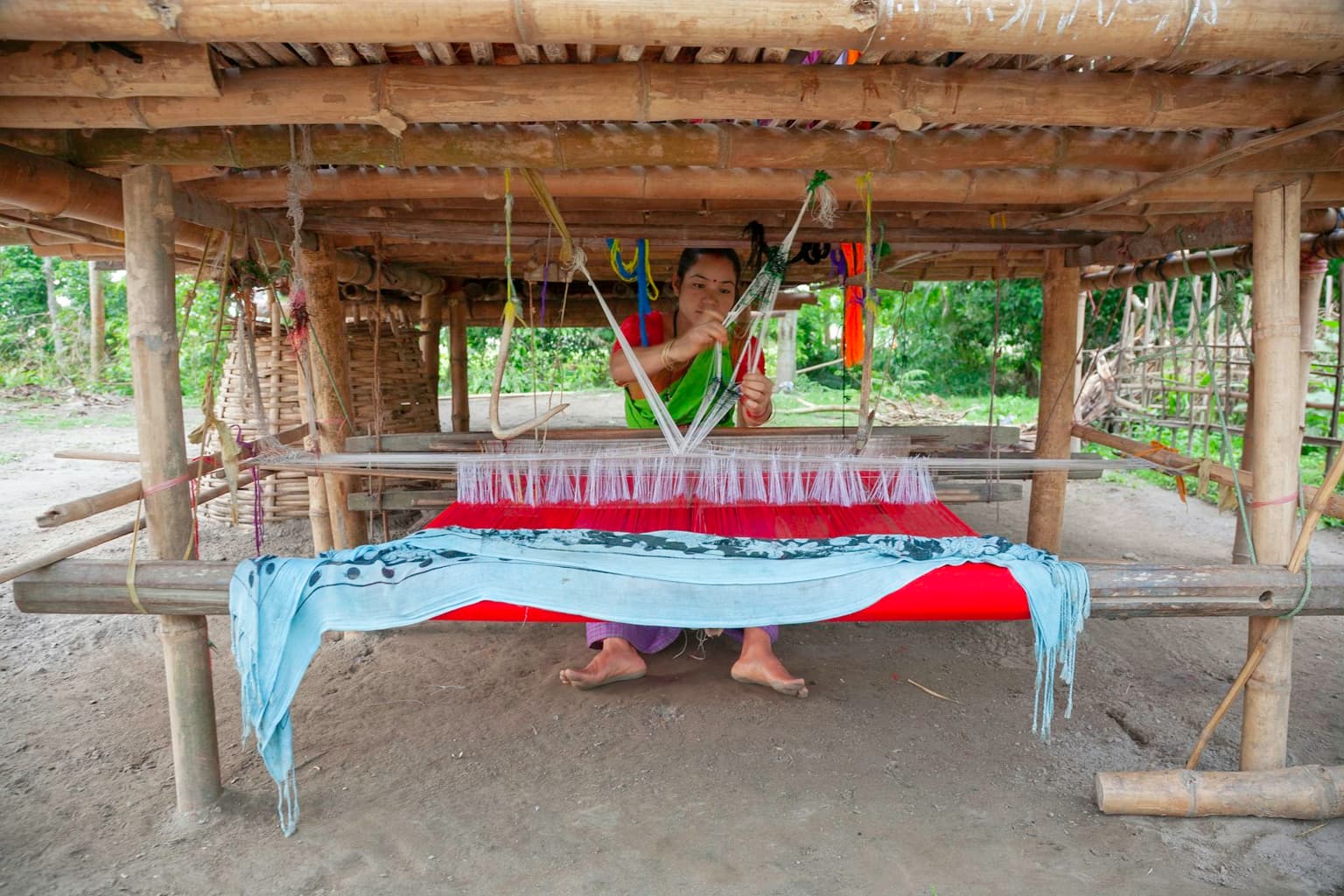
The ability to create traditional motifs with contemporary appeal separates market leaders from commodity producers. Hand-made lace and designer borders that tell a story resonate with both domestic and export buyers.
Ethical Sourcing
Buyers increasingly value ethical sourcing credentials and sustainability narratives. Manufacturers who can document their supply chains and quality processes gain an edge in premium segments.
Speed and Flexibility
The ability to execute bulk orders quickly while adapting designs for contemporary fashion trends is crucial. Buyers need manufacturers who can respond to seasonal demands without compromising consistency.
Lace Manufacturing Within Surat's Ecosystem
Lace production represents a specialized niche within Surat's broader textile landscape. The segment benefits from:
- Proximity to raw material suppliers (yarn, jari, dyes)
- Access to skilled embroidery and crochet artisans
- Integration with garment manufacturing clusters
- Established wholesale market networks (NTM, MTM, Ring Road)
Established manufacturers like Paras Lace, operating since 1990, exemplify how specialized producers navigate these market dynamics while maintaining quality standards for wholesale buyers.
Looking Ahead: Industry Outlook for Surat Textiles
India's broader textile sector aims for ambitious export targets, with the government supporting initiatives around digital infrastructure, skill development, and global market access. For Surat manufacturers, success in 2026 and beyond depends on:
- Continued Digital Adoption: Expanding online reach while maintaining quality assurance
- Infrastructure Advocacy: Collective efforts to address power and logistics bottlenecks
- Product Innovation: Moving up the value chain with designer and specialty products
- Market Diversification: Serving both domestic wedding/festival segments and export markets
- Sustainable Practices: Building credibility through ethical sourcing and quality certification
Partnering with Reliable Surat Manufacturers
For buyers seeking consistent supply of premium lace products, working with established manufacturers offers stability amid market uncertainties. Paras Lace has served the wholesale market from Surat, Gujarat since 1990, offering:
- Jari lace, crochet lace, cotton lace, and polyester lace varieties
- Designer lace borders for sarees, lehengas, and garment applications
- Bulk order capabilities with consistent quality
- Competitive wholesale pricing direct from manufacturer
Contact us for your lace requirements: 📞 +91 87502 69626 📧 [email protected] 🌐 paraslace.in
As Surat's textile industry navigates 2026's challenges and opportunities, manufacturers who combine traditional craftsmanship with digital-age agility are best positioned to serve India's evolving fashion market.
About the author
Paras Lace Team writes from the ParasLace workshop floor in Surat's Textile Market. The family-run mill has manufactured jari, crochet, and decorative lace since 1990, supplying garment houses across India and six export markets. More about ParasLace →