India-EU Free Trade Agreement 2026 — What Surat's Lace Exporters Need to Know
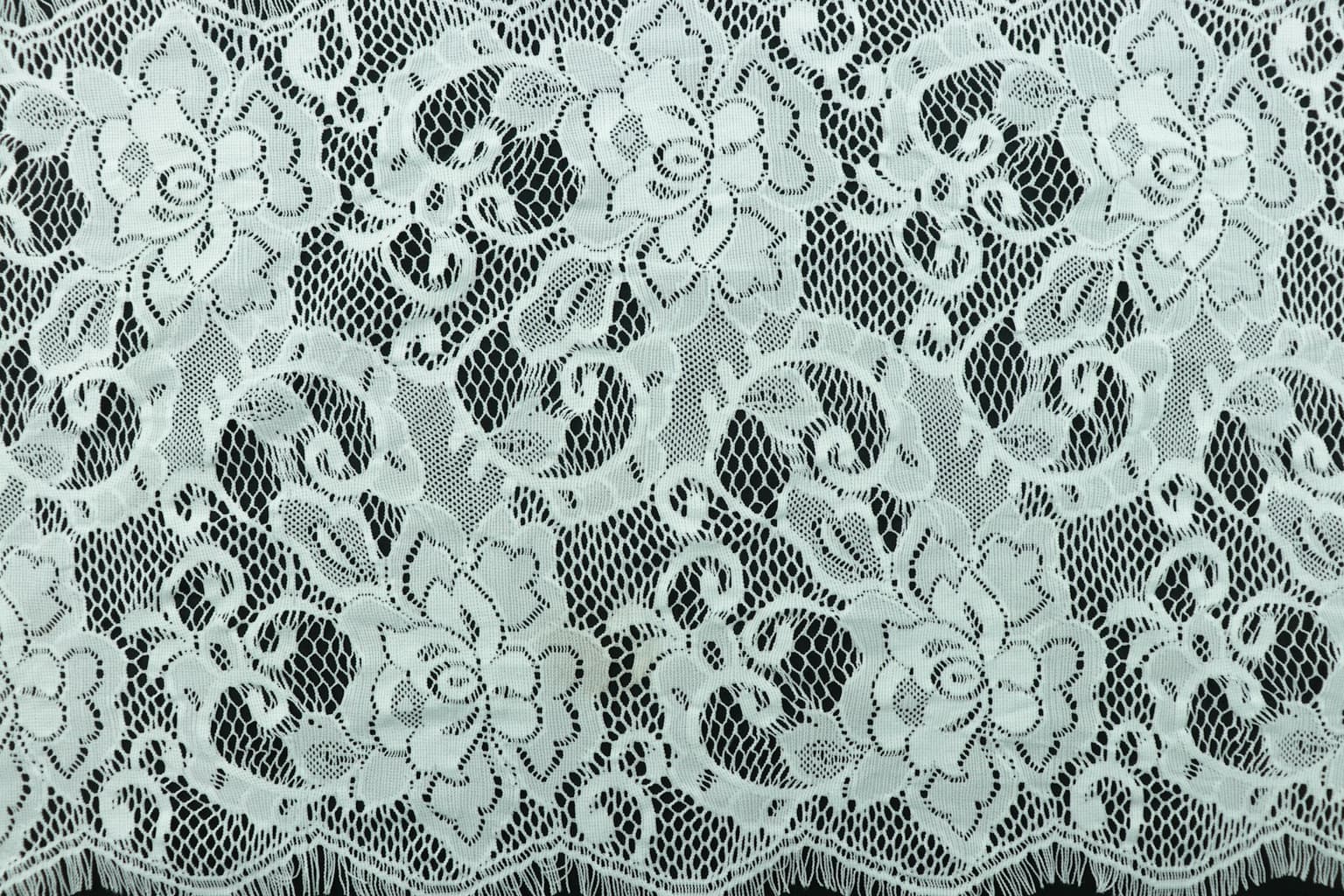
India-EU Free Trade Agreement 2026 — What Surat's Lace Exporters Need to Know
The India-European Union Free Trade Agreement — under negotiation since June 2022 and now in its advanced stages as of early 2026 — could be the single biggest policy shift for Indian textile exporters in a generation. For Surat's lace manufacturers, who supply everything from jari lace to crochet lace to buyers across Europe, the stakes are substantial.
The Current Export Reality
Indian textile and apparel exports to the EU are worth approximately USD 10 billion annually. But they face a structural disadvantage: EU tariffs on Indian textiles range from 9% to 12%, while competitors like Bangladesh and Vietnam enjoy duty-free or preferential access under the EU's Everything But Arms (EBA) and Generalized Scheme of Preferences (GSP+) programmes respectively.
For a Surat-based lace exporter shipping a ₹10 lakh consignment to an Italian garment manufacturer, the tariff alone adds ₹90,000 to ₹1.2 lakh to the landed cost. That erodes India's natural cost advantage in manufacturing.
India's textile exports to EU: ~USD 10 billion/year. Current EU tariff on Indian textiles: 9-12%. FTA scenario: near-zero tariffs. Competitor advantage: Bangladesh and Vietnam already enjoy duty-free access under separate trade schemes.
What the FTA Would Change
The Textile Magazine reported in January 2026 that the India-EU FTA is being described within industry circles as a "transformational trade deal" for India's textile and apparel sector. Once ratified, the agreement would phase out tariffs on Indian textile exports to the EU over an agreed timeline — potentially bringing them to near-zero within 3-5 years.
For Surat's lace manufacturers, that means three things:
-
Price competitiveness: Indian lace — already 30-40% cheaper to produce than Italian or French equivalents — becomes even more attractive to EU buyers once the tariff layer is removed.
-
Market access: European fashion houses, bridal wear designers, and home textile brands that currently source lace from Turkey or China may shift procurement to Surat.
-
Quality standards incentive: The EU's stringent REACH chemical regulations and textile labelling requirements will push Surat manufacturers to upgrade quality control — a net positive for the entire ecosystem.
What Lace Buyers Should Do Now
If you're a domestic or international buyer sourcing lace from Surat, the FTA doesn't change anything overnight — but forward-planning matters.
For domestic buyers: As Surat manufacturers gain export volumes, production capacity may tighten during peak seasons. Lock in supplier relationships and volume commitments early in 2026.
For international buyers: Start sampling now. Build relationships with Surat manufacturers like Paras Lace before the tariff elimination triggers a rush of new buyers into the market. The early movers will have established supply chains when the FTA takes effect.
The Gujarat Advantage
Gujarat already accounts for over 60% of India's textile exports. The state's integrated textile ecosystem — from cotton farming in Saurashtra to spinning in Ahmedabad to lace manufacturing in Surat — means Gujarat-based exporters are uniquely positioned to scale when the FTA opens EU markets.
Surat alone houses over 1,500 lace manufacturing units, employing an estimated 50,000 workers across the value chain. The city's lace industry has been built over three decades of craftsmanship, and an FTA with the EU would be the catalyst that takes it from a domestic powerhouse to a global supplier.
If you source lace in bulk — whether for boutiques, garment manufacturing, or export — now is the time to establish direct relationships with Surat manufacturers. When the FTA triggers a demand surge, established buyers with existing supply chains will have priority access to production capacity.
Paras Lace has been manufacturing and wholesaling jari lace, crochet lace, cotton lace, and designer borders in Surat, Gujarat since 1990. For wholesale inquiries, call +91 87502 69626 or email [email protected].
Related Reading
About the author
Paras Jain writes from the ParasLace workshop floor in Surat's Textile Market. The family-run mill has manufactured jari, crochet, and decorative lace since 1990, supplying garment houses across India and six export markets. More about ParasLace →