Cotton Duty Exemption June 2026 — What It Means for Surat Lace Manufacturers and Wholesale Buyers
Cotton Duty Exemption June 2026 — What It Means for Surat Lace Manufacturers and Wholesale Buyers
On June 1, 2026, the Government of India announced a temporary exemption from customs duty and agriculture cess on imported cotton, effective through October 31, 2026. For Surat's textile ecosystem — which includes thousands of lace manufacturers — this policy shift carries immediate implications for raw material costs, production volumes, and wholesale pricing.
Why Cotton Duty Matters for Lace
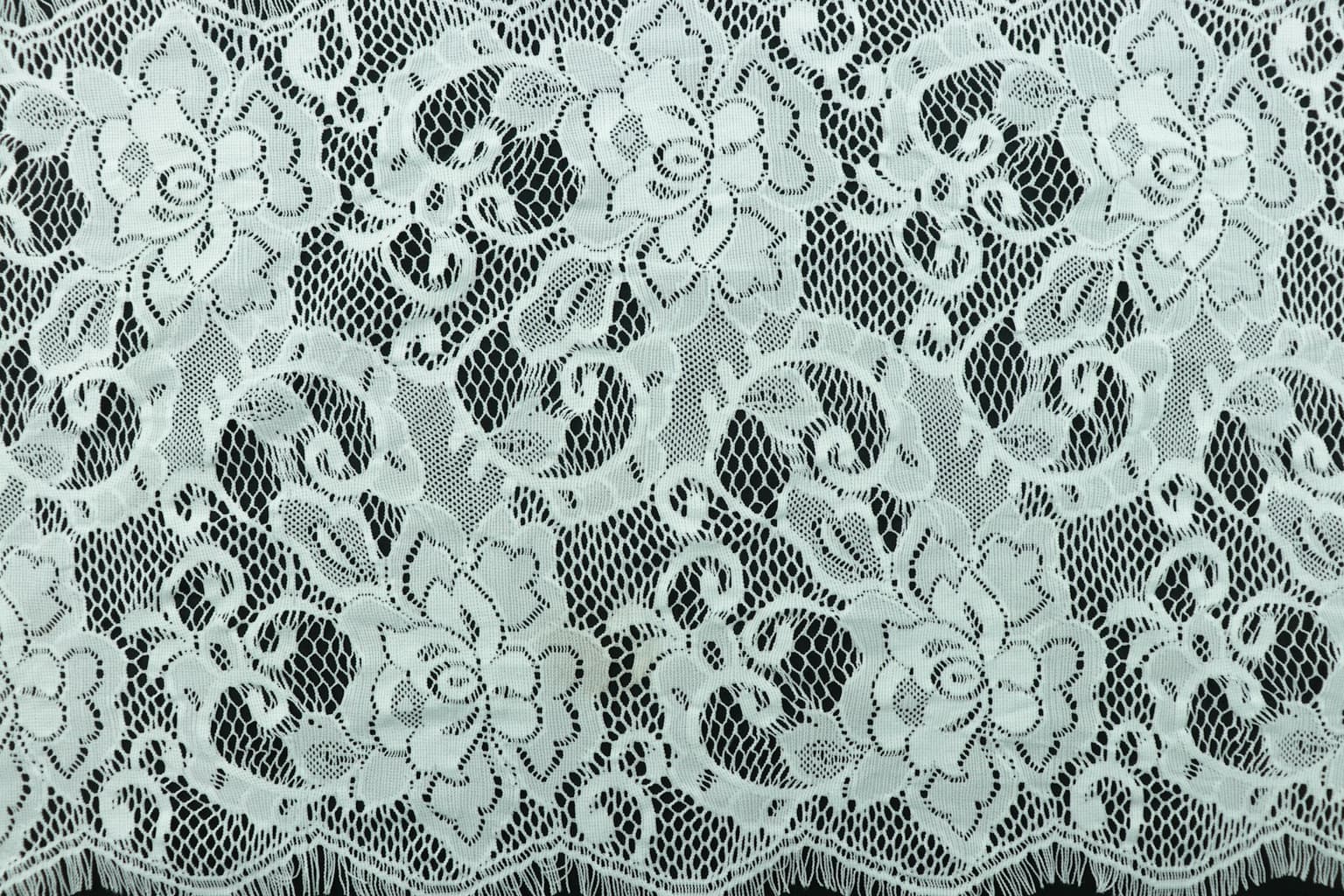
Cotton lace remains one of the most in-demand categories in the Indian domestic market. From saree borders to kurti embellishments, cotton lace is prized for its breathability, dye-absorption, and comfort — especially during summer months and for everyday ethnic wear. The bulk of cotton lace production in Surat relies on cotton yarn, and any change in yarn pricing cascades directly to finished lace products.
The duty exemption is designed to ease supply-side pressure after a year of elevated cotton prices. According to industry estimates, domestic cotton prices had risen nearly 18-22% over the past 12 months, squeezing margins for manufacturers across Gujarat's textile belt.
Immediate Impact on Lace Pricing
With cheaper imported cotton entering the supply chain, yarn costs are expected to soften by an estimated 8-12% over the next four to six weeks. For wholesale lace buyers, this could translate to more stable — and potentially lower — per-meter pricing on cotton lace varieties by mid-July 2026.
However, manufacturers caution that the benefit may be partially offset by other factors: polyester-based laces (which depend on petrochemical derivatives) are not directly affected, and freight costs to Surat remain elevated due to ongoing global shipping disruptions.
The Surat Yarn Container Situation
Separately, the Surat textile market is grappling with a logistics bottleneck. Reports from late May 2026 indicate approximately 1,000 imported yarn containers worth an estimated ₹250 crore were stuck at Mumbai and Hazira ports due to customs clearance delays and documentation backlogs. While the duty exemption addresses the cost side, clearing this backlog is critical for actual supply to reach manufacturing units on time.
What Wholesale Buyers Should Do
- Lock in orders now: If you're sourcing cotton lace for the upcoming festive season (Raksha Bandhan, Janmashtami, and the pre-Diwali restocking cycle), placing orders in June positions you ahead of any demand surge when prices stabilize.
- Diversify your mix: Consider polyester and blended lace options as hedges against cotton-specific volatility. At Paras Lace, our polyester and jari lace lines are unaffected by the cotton duty dynamics.
- Stay in touch with your supplier: Pricing will vary week to week as the duty relief works through the supply chain. A reliable manufacturer with direct access to yarn markets in Surat can help you time purchases effectively.
Bottom Line
The cotton duty exemption is welcome news for Surat's lace industry. It signals government recognition of cost pressures in the textile sector and should help stabilize wholesale lace prices heading into the second half of 2026. The key variable to watch is how quickly the container backlog clears — that will determine whether the benefits reach buyers in weeks or months.
Paras Lace has been manufacturing and wholesaling premium cotton lace, jari lace, crochet lace, and designer borders in Surat, Gujarat since 1990. For bulk orders, samples, or current pricing, call us at +91 87502 69626 or visit our facility in Surat's textile market.
Related Reading
About the author
Paras Jain writes from the ParasLace workshop floor in Surat's Textile Market. The family-run mill has manufactured jari, crochet, and decorative lace since 1990, supplying garment houses across India and six export markets. More about ParasLace →